-
Who's keeping your business mobile?
SG Fleet's acquisition of LeasePlan Australia has created the country's leading provider of vehicle leasing and fleet management services for all kinds of businesses. Operating or finance leases, novated leases and salary packaging support, cars, trucks and other commercial vehicles of all shapes and sizes.
SG Fleet will keep your business mobile and save you time and money. We help our customers manage their total cost of ownership and focus on their employees' safety and satisfaction. We will also help you lower your emissions and transition to an electric future.
With proven industry expertise, constantly evolving innovation, and extensive national networks, we will provide you and your people with sustainable, hassle-free car mobility, letting you spend more time on what you do best.
-
Your future's electric
Both SG Fleet and LeasePlan have been spending lots of time educating our customers on electric vehicles (EVs) and how to transition to an exciting, low-emission fleet future. Are you ready to start electric?
-
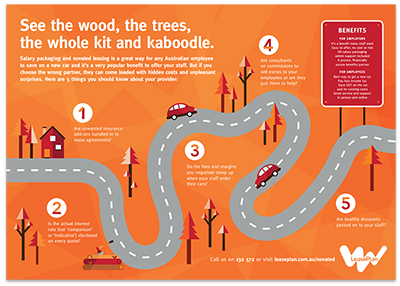
How good are your novated leases?
Our novated leasing programs will provide great benefits to your staff, with no hidden surprises. Make sure you see the wood for the trees when you are reviewing your staff benefits. We can show you what to include and what to look out for to make sure that your staff truly benefit.
-
Driving Insights
Visit Driving Insights - our Australian blog site - for our views on the many and varied disruptions, challenges and opportunities that a rapidly changing mobility world present to us.
Come with us on this exciting journey. Let SG Fleet be your partner for your electric future.
-
The Latest news from LeasePlan
View all news itemsElectric Vehicles - FBT exemptions
12th December 2022
A new Federal Government Bill means Australian businesses and employees may be able to save thousands of dollars on electric vehicles (EVs).
LeasePlan to switch Caltex StarCards to AmpolCards in 2021
4th January 2021
Throughout 2021, LeasePlan will be working closely with Ampol Australia to transition your Caltex StarCard branded fu
-

Less is more great value for smaller fleets
Australian businesses of all shapes and sizes can enjoy great vehicle leasing and benefits from the leading provider in the country.
-
Sell your car with Trade Advantage
Thanks to SG Fleet, you can choose an easier way to sell your car - through Trade Advantage.